显示标签为“Oil Pressing”的博文。显示所有博文

Rice Bran Oil vs. Sunflower Oil


The plethora of plant-based cooking oils on the market today often make it difficult to determine when to use which one during meal preparation. Two of these oils, rice bran oil and sunflower oil, have similar nutrient profiles at 120 calories and about 13 grams of fat per tablespoon. Both oils deserve a place in a healthy diet, but they do differ in their nutritional value.


Saturated vs. Unsaturated Fatty Acids


Both sunflower and rice bran oils are naturally free of cholesterol. According to 2005 University of Rochester research, a natural component of rice bran oil has been found to lower cholesterol in rats. Sunflower oil offers more heart-healthy monounsaturated fat per serving -- 7.8 grams per tablespoon, compared to sunflower oil's 5.3 grams. Both sunflower and rice bran oils are low in saturated fat -- 1.3 and 2.7 grams per serving, respectively.


All About Omegas


You've likely heard of omega-3 and omega-6 fatty acids, the main essential fatty acids in the human diet. While both oils contain high amounts of omega-6 fatty acids, neither contain many omega-3 fatty acids. While this doesn't cross them off the list as effective cooking oils, it does warrant that you monitor how often -- and how much -- you're eating, because most Americans already consume too much omega-6 relative to their intake of omega-3. Use omega-6-rich oils in moderation, and get some of your dietary fat from nuts, seeds and fish in order to achieve a lower omega-6-to-omega-3 ratio in your diet.


Vitamin E in the Oils


Both oils contain vitamin E. Sunflower oil is higher in vitamin E than rice bran oil -- 5.6 milligrams per tablespoon, or 37 percent of the recommended daily intake. To compare, rice bran oil contains 29 percent of the recommended daily value of vitamin E in one tablespoon..


Cooking With the Oils


Both oils are better for cooking at higher temperatures via methods like stir-frying or searing. With a smoke point of 450 degrees F, sunflower oil's light flavor makes it a favorite for frying and baking -- but not for drizzling. Additionally, it can be part of margarine and salad dressings. Rice bran oil is also useful for high-heat cooking, but it is slightly more versatile in that it can be used for drizzling and other cooking applications.


What Are the Benefits of Groundnut Oil?


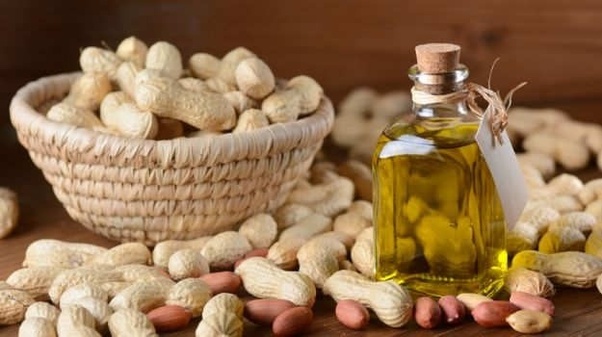
Groundnuts, more commonly known as peanuts, are a legume that can be processed into an oil. Groundnut oil is made by pressing harvested groundnuts, which are rich in fat -- containing 40 to 50 percent fat. Like other plant-based oils, groundnut oil contains no cholesterol.


Rich in Unsaturated Fats


A 1-tablespoon serving of groundnut oil has 13.5 grams of total fat, the majority of which is unsaturated fat. The American Heart Association recommends getting the majority of your fat from unsaturated fats. Replacing saturated and trans fats with unsaturated fats can reduce your risk of heart disease; monounsaturated fats help lower bad cholesterol levels. Groundnut oil contains 6.2 grams of monounsaturated fats per tablespoon, 46 percent of the total fat content, and 4.3 grams of polyunsaturated fats, 32 percent of the total fat content.


No Cholesterol


Your body naturally produces as much cholesterol as you need, so dietary cholesterol is not required, and groundnut oil provides no cholesterol. A diet high in cholesterol can increase the amount of plaque that builds up in your arteries, increasing your chances of developing atherosclerosis, commonly known as hardened arteries.


Natural Antioxidant Content


Groundnut oil is a natural source of phytochemicals, antioxidants that protect your body from damage from toxins and free radicals. A 2014 issue of “Critical Reviews in Food Science and Nutrition" included a review that found that groundnut oil, because of its high antioxidant content, reduced inflammation in those who regularly included it in their diet. Groundnut oil is also a good source of vitamin E, a natural antioxidant.


Cooking With Groundnut Oil


Groundnut oil has a slightly nutty flavor and natural richness, adding depth to many cooked dishes. It can be used in most dishes where the nutty taste is either masked or welcomed -- such as in spicy dishes or french fries. Groundnut oil is well-suited to high-heat cooking methods and is commonly used for stir-fries. Unrefined groundnut oil, also sometimes called gourmet groundnut oil, is more aromatic than refined groundnut oil. If you have a peanut allergy, you should avoid groundnut oil.


Screw Oil Press Machine Relatively Simple, Regularity

In the engineering practice, the Screw Oil Press Machine has a large number of unstable asymmetric cycle of the load, in the stress cycle, the average stress and stress amplitude is often changing. Therefore, to carry out the fatigue design of the parts under the action of unstable asymmetric cyclic load, we must first determine the load spectrum of the part under various typical working conditions as the basis for the analysis and calculation.

However, the use of four-column Screw Oil Press Machine for a variety of practical conditions are varied, and some process conditions are relatively strong, and some are chaotic, the situation is changing. Therefore, the need to select some typical conditions, in the actual measurement of its load on the basis of statistical analysis, the results of a set of regularity together, with the frequency of various conditions, you can get the load spectrum

The load spectrum should be typical, systematic, centralized and general. In the fatigue design of the typical parts of the Screw Oil Press Machine, the stress of the parts of the hydraulic parts should be used as the forging of the load spectrum. The stress of the dangerous parts of the working tanks and the production of the forging parts Program to determine the frequency of its occurrence. This kind of load spectrum is simple and regular. However, it is complicated to measure the load spectrum of the free forged four-column Screw Oil Press Machine column.

There are many types of forgings forged on a free forging Screw Oil Press Machine. There are various types of forgings of various sizes such as shafts, plates, rings, plates and blocks. The weight of the ingot used for forging is also different. Forging forging process, there may be chamfering, cutting riser, pull long, upsetting, punching, reaming, shaping, finishing and cutting materials and other processes.

The various stresses of each of the forgings are not the same as the stress caused by the dangerous cross section of the column. Therefore, for the measured data, more finishing and statistical analysis work should be carried out with a view to obtaining Design the calculated load spectrum.

Screw Oil Press Machine (Screw Oil Press Machine) is a hydraulic oil through the hydraulic pump into the cylinder / piston, and then the cylinder / piston in the Several sets of matching seals, different locations of the seals are different, but all play the role of sealing, so that hydraulic oil can not be leaked. And finally through the one-way valve to make the hydraulic oil in the tank cycle to the cylinder / piston cycle work to complete a certain mechanical action as a force of a mechanical.

Chinese name Screw Oil Press Machine working medium hydraulic oil

Screw Oil Press Machine structure classification;

Bow-type Screw Oil Press Machine, four-column Screw Oil Press Machine, frame-type hydraulic machine, C-type hydraulic machine, XYZ-axis Screw Oil Press Machine. Single-arm Screw Oil Press Machine - can be upgraded to CNC Screw Oil Press Machine, servo CNC Screw Oil Press Machine.

Screw Oil Press Machine summary,

The Screw Oil Press Machine consists of two main parts of the main engine and control mechanism. The hydraulic machine main part includes the fuselage, the master cylinder, the ejection cylinder and the filling device. Power mechanism by the fuel tank, high pressure pump, low pressure control system, motor and various pressure valves and directional valves and other components. Power mechanism under the control of electrical equipment, through the pump and cylinder and a variety of hydraulic valve to achieve energy conversion, regulation and transportation, to complete a variety of processes.

Hydraulic Oil Press Strong Continuity

Hydraulic Oil Press, and this product related to the common sense, which is our industry to know and master, but also can not be careless, otherwise it will affect the overall understanding of the product. So then, in order to meet the above requirements, we immediately to carry out, hoping to give you some help to promote their own learning process

1, hydraulic press, which uses a welded structure or casting structure, the difference is what?

Hydraulic press, which uses a welded structure, then it is better than the pressure of the casting structure to withstand the capacity. So for some large or high pressure hydraulic press, are using welded structure.

2, hydraulic press for the die of the tool, the material is what? What is the material of the hydraulic pad?

Hydraulic Oil Press for the die of the tool, the material is generally selected carbon or alloy tool steel, and to heat treatment Caixing, so that the hardness of HRC60 or so, or can not be used. A pad of hydraulic press, which is usually made of concrete.

The accuracy of the hydraulic press determines the accuracy of the parts

In general, for the general use of precision machining parts, the accuracy of the hydraulic press used to determine the accuracy of parts. However, only the accuracy of static pressure to measure the accuracy of the press is not very accurate. This is because the size of the mechanical strength of the press itself has a great impact on the stamping accuracy. If the strength of the press itself is low, it will make the pressure machine Ao in the moment to reach the punching pressure deformation occurs, so that the conditions even in the static tone is very good, but also due to the impact of the strength caused by deformation of the bed, There is a difference. It can be seen that the accuracy of the press and the strength of a great relationship, and the strength of the size of the stamping work has a great impact, so in the punching of high precision workpiece and continuous cold stamping production, must use precision High, and rigid presses.

The press is a compact, versatile press. With a wide range of uses, high production efficiency, presses can be widely used in cutting, punching, blanking, bending, riveting and forming processes. Through the metal blanks to exert a strong pressure on the metal plastic deformation and fracture to be processed into parts. Mechanical press work by the motor through the V-belt drive large pulley, through the gears and clutch drive crank slider mechanism, so that the slider and punch straight down. The mechanical press is moved upwards after the forging work is completed, the clutch is automatically disengaged, and the actuator on the crankshaft is turned on so that the slider stops near the top dead center.

Before the formal operation by the idle test, to confirm the normal part of the work before. Before starting the machine should clean up all the unnecessary items on the table to prevent the car vibration or damage caused by the impact of the slider suddenly started. Operation must use the tool, is strictly prohibited by hand directly into the mold extract, hand tools can not be placed on the mold.

Hydraulic Oil Press Control The Movement Direction Of The Executing Agency

What is the difference between a Hydraulic Oil Press and an oil machine? Someone called the Hydraulic Oil Press, some people call the press, often someone is not very clear, the feeling is not too clear, below we will analyze what the nature of the difference between the two.

Hydraulic Oil Press think is to use oil to generate power, and the hydraulics can be used to drive oil, but also to drive water, because water is also liquid, there is a mixture of oil and gas is called the air pressure machine or gas Hydraulic Oil Press or pressurized bed. What are the roles and principles of their components? It's also easy to say. The working mode and development process of the Hydraulic Oil Press is a kind of transmission mode which utilizes the liquid pressure to transmit power and control. Hydraulic Oil Pressure device is by hydraulic pump, hydraulic cylinder (hydraulic motor and other actuators), hydraulic control valve and hydraulic auxiliary components hydraulic Pump: Converts the mechanical energy into a hydraulic energy conversion device. Hydraulic Cylinders (hydraulic motors and other actuators): The hydraulic energy can be converted to mechanical energy. Control valve: Control the flow of hydraulic oil, flow, pressure, the working order of hydraulic actuator and protect the function of hydraulic circuit. The popular point is to control and regulate the flow of hydraulic media, Pressure and flow. Thus controlling the movement direction of the actuator, the force or torque of the output. Movement speed. The action sequence, as well as limiting and regulating the working pressure of the hydraulic system to prevent overload.

The temperature rise and heat and pollution of hydraulic system are also a kind of comprehensive fault manifestation, which is measured by measuring oil mild and small amount of hydraulic element.

Hydraulic equipment is used as a working medium to transfer and transfer energy, the process of mechanical energy loss, pressure loss and volume loss must be converted into heat release. From the beginning of operation close to room temperature, through the fuel tank, pipe and body surface, but also through the installation of oil cooler cooling, after a certain period of time, the temperature is no longer elevated and stable in a certain temperature range to achieve thermal equilibrium, the difference is temperature rise.

High temperature rise will have the following failures and adverse effects:

① the oil temperature of the Hydraulic Oil Press increases, will reduce the oil straw, the leakage increases, the pump volume efficiency and the entire system efficiency 16% will reduce significantly. Due to the decrease of the "degree, the oil film of the 12%90 moving parts such as the sliding valve is thinned and cut, and the friction resistance increases 180, which causes the abrasion to increase, the system heats up, and brings the 125% high temperature rise.

② Hydraulic machine Oil temperature is too high, so that the mechanical deformation, not only 100%-60 the hydraulic components in the thermal expansion coefficient between the different moving parts of the gap between small and die, causing action failure, but also affect the accuracy of the hydraulic equipment, resulting in poor quality parts processing.

③ hydraulic machine Oil temperature too high, will also make rubber seals deformation, premature aging failure, reduce service life, loss of sealing performance, resulting in leakage. The leak will further heat the temperature rise.

④ oil temperature is too high, will accelerate the oil oxidation metamorphism,  precipitates The bitumen material, reduces the service life of the hydraulic oil. The release of the blockage damping holes and gap-type valve, resulting in pressure regulator failure, flow valve flow instability and direction of the valve card die, the metal pipe elongation bend, and even rupture, and many other failures.

⑤ The oil temperature of  Hydraulic Oil Press is increased, the air separation pressure of parking is reduced, the dissolved air in the pumping is escaping, and the cavitation is produced, which results in a lower working performance.

Family Use Oil Press Machine Versatility, Changeability And Good Maintenance

If we want to use hydraulic seal, then we must be the right choice. Or choose a half-day hydraulic seal is wrong only a waste of time,

1.first convincing the location of the movement of the seal, the Family Use Oil Press Machine is reciprocating motion, rotating motion, still spiral or fixed.

2.to determine the flow point is the inner diameter of the piston rod seal is still in the outer diameter of the piston seal.

3.Family Use Oil Press Machine from the original use of imitation to identify or according to the actual situation to assess the working temperature, which determines the required seal material.

4.From the original use of imitation to identify or by observing the original seal of the hardness and structure of the judge for the maintenance of the use of seals, the manpower should be from the following aspects. Mechanical working pressure rating.

5.Determine the dimensions of the seal. Most users will use the old samples used to buy. But the seal after a period of use, will be affected by temperature, press and wear and other factors to change the original size, therefore, according to the sample size can only be used as a reference, the best way is the amount of seal The location of the metal trench size, the accuracy will be greatly improved.

Hydraulic valve relief valve, refers to the upper part of the main valve core small diameter cylindrical surface, the central large diameter cylindrical and lower cone three parts, must be with the bonnet hole, valve body hole and valve cone to maintain concentric, known as the three (Or three) concentric. The relief valve to ensure that the three parts of the concentricity, processing difficult to become larger; assembly is not good, a little easy to cover the valve seat hole stuck to the main spool, resulting in poor operation of the overflow valve failure; The As the overflow valve than the two concentric valve early appearance, the market share.

The so-called two concentric relief valve, the main spool of the cylindrical surface and cone two must be concentric, difficult to become smaller processing. At the same time with the emergence of cartridge valve, you can use the cartridge valve plug unit, versatility, changeability and good maintenance; valve stability is also good.

Hydraulic valve relief valve function

The hydraulic relief valve has direct acting type (direct acting type) and pilot type. The relief valve is used to ensure that the pressure in the hydraulic system is a certain value and the system is overloaded, Limiting pressure. In the hydraulic system, the function of the relief valve is:
① stable quantitative pump output pressure: in the quantitative pump pump source hydraulic system, the relief valve 2 from the pressure, pressure, overflow effect
② to prevent system overload: variable pump for power In the hydraulic system of the source, the flow rate of the pump 1 is generally variable with the load, and there is no excess flow. When the pressure exceeds a pre-set pressure, the relief valve 2 opens the overflow so that the system force does not rise High, to prevent the system pressure overload from the role of security protection, then the relief valve will be called safety valve
③ to pump unloading: from the relief valve 2 remote pressure port connected two two normally closed electromagnetic valve 3, When the electromagnet is de-energized, the valve 3 is in the open position, the remote control port is closed and the relief valve 2 acts as a normal overflow. When the electromagnet is energized, the valve 3 is in the path position, the remote control port and the fuel tank connected to the overflow valve 2 in the unloading state
④ remote voltage regulator: the remote regulator valve inlet and the main relief valve 2 remote control port Connected to the main relief valve set within the pressure range to achieve remote regulation [Figure
⑤ multi-level control: the main relief valve remote control port with three four-way solenoid valve and two different opening pressure into a remote pressure Valve 4,5 connection, you can achieve high and low pressure three pressure control
⑥ for hydraulic motor brake.

The working principle of oil pressure relief valve

In the high-pressure and high-flow hydraulic system, when the electromagnetic relief valve is switched from the loaded high-pressure state to the unloaded state of the load, the electromagnet is only a few tens of milliseconds Short time from high pressure drop to low pressure, the rapid release of energy, resulting in a large pressure shock, vibration and noise. This shock, vibration and noise in the case of high pressure and high flow often have a heavy barrier. In order to prevent this from happening, an electromagnetic spill valve with a buffer valve can be used. The buffer valve can extend the time from high pressure to pressure relief process so that the pressure is steadily reduced to prevent shock, vibration and noise generation.

Adjust the adjustment screw, you can change the spool stroke and spring preload force, you can change the unloading time, adjust the screw loose, the throttle opening and spring preload force is the smallest, the longest unloading time; The shortest, basically can not afford to unload the buffer effect.

Edible Oil Processing Plant How To Save, To Reduce Oxidation

Edible oil production process What kind of good? At present, the oil-making process of edible oil in our country mainly has two kinds of leaching and squeezing. Among them, more than 80% of the edible oil manufacturers used the leaching method, only less than 20% of the edible oil used the crushing process. The oil is extracted with high oil yield, The advantage of low price occupies the main share of edible oil market in our country. However, in recent years,Edible Oil Processing Plant squeeze oil in the "Health and safety" banner vigorously into the edible oil market, for a time won the majority of businesses and consumers greatly agree.

It is understood that the squeezing method and the leaching method are two different kinds of oil production process. Squeezing method is the use of pure physical press oil process, after the selection, baking, physical press, and finally by natural plant fiber filtration technology production. This method does not involve adding chemicals, preserves the rich nutrients in the oil, and does not pollute the chemical solvent, Does not contain any chemical preservative antioxidants, to ensure that the product safety, purity, nutrition, delicacy, in line with human health needs,Edible Oil Processing Plant suitable for long-term rest assured consumption. But the downside is that the oil rate is low. Squeeze oil Process "is currently used in the domestic basic oil, olive oil, nut oil, sesame oils and other high-grade oils."

How long is the best time to use the edible oil? Store food is a lot of people's habits, especially the elderly, often encounter supermarket discounts promotional activities, will hoard a lot of things. In fact, things have "longevity", which is not the shelf life we often call, but the best time to eat food. Kaifeng after the food, in the "Life" The period of time to eat, but also to protect health and nutrition. Peanut oil and other types of edible oil are also the same reason.

How is edible oil stored correctly? The edible oil after Kaifeng is particularly resistant to storage because it is easily oxidized and rancid, and the edible oil after rancid is not only affected by taste and taste, but also poses a threat to our health. So how can edible oil be preserved to reduce its oxidation?

When buying oil, if the household population is not large, it is recommended to choose small package of edible oil, so as to reduce the storage time of oil.

Two. When the edible oil is stored at home, try to put the oil in the place of avoiding light and low temperature.

Three. If you are worried about the oxidation of edible oil, you can go to the pharmacy to spend a few dollars, buy a bottle of vitamin E, and then in the oil drums into one or two tablets,Edible Oil Processing Plant can delay the occurrence of oxidation.

Four. You can use a black plastic bag to cover the edible oil so that you can avoid light and reduce contact with the air.

Five. If the oil is poured back in the oil pot to use, the position of the oil pot placed, to avoid the hearth side window, where the oxidation occurs.

Six. The new oil and the old oil do not mix together, because if the old oil has oxidized and rancid, it is easy to infect new oil.

Seven. Pour the oil into the oil pot and use it within one week as far as possible.

Eight. Large barrels of edible oil, as far as possible within three months of consumption.

Advantages and disadvantages of cold press and hot press of oil press machine

Our country has a vast territory, a large number of crops, a variety of fruits, vegetables, and a variety of oil crops. So what is our usual use of vegetable oil? Let's know which materials are suitable for hot press equipment. When the raw materials are suitable for cold pressing, we should first understand the difference between the hot press and the cold press of the oil press. What are the benefits of hot pressing? What is the advantage of choosing cold press?

Advantages and disadvantages of cold press and hot press of oil press equipment:
1、The hot press is that the oil is fried after being fried in a wok, and the cooked oil is pure and fragrant, especially the sesame peanuts are rich in oil.
The disadvantage is that when the pot is fried, it will be foamed when it is not processed.
2、Cold-pressed oil has pure natural characteristics, avoiding the adverse effects of traditional high-temperature oil processing. The cold-squeezed oil retains the natural flavor and color of the oil, and completely preserves the physiologically active substances in the oil (vitamin E has anti-aging function) , sterol has a skin-friendly effect and enhances the body's metabolic function). Cold pressed oil color is good, relatively light, but the oil is not fragrant, not on fire.

The disadvantage is that the oil yield is not high, most of the raw materials are not suitable for cold pressing; generally, the cold pressed cigarettes are low and the water content is unstable, which is not conducive to long-term storage.

Squeeze oil is good, fried seeds are the key, as the saying goes, the machine is very good, seven points of fried seeds, peanuts should be fried to peanut meat with oil, so the oil rate will reach *, under normal circumstances, the oil rate will Up to 40%, fried peanut raw materials should pay attention to heat preservation when pressing, if the peanuts become cold, it will be brittle, the oil extraction will increase the amount of slag, so insulation is the key. Taking soybean, canola, cottonseed, peanut, and sesame as examples, soybean oil contains soybean meal, spicy flavor in canola oil, gossypol toxin in cottonseed oil, and Aspergillus flavus in metamorphic oil. Toxins, etc., must be refined before they can be removed; the scent of sesame oil and fragrant peanut oil must be obtained through hot pressing. If you want to increase the oil yield of the cold press, you have to crush it before you can go up. Sometimes you have to press it twice and press it three times.

Most of the vegetable oils consumed in daily life are hot pressed oil. With the continuous improvement of people's living standards, people will increasingly favor cold pressed oil in the future.

Canola Rapeseed Processing

Preparation

The first step in processing canola and rapeseed is to properly preparethe seed for oil removal. This step typically involves using magnets to remove metal and screening to remove impurities that can interfere with the process. Next, the seed is heated to condition the seed prior to mechanical rollers. The mechanical rollers are used to make thin flakes and rupture the cells containing the oil. Finally, the seed is heated again and dried prior to mechanical pressing. Mechanical pressing removes approximately half to three quarters of the oil prior to solvent extraction.


Extraction

The seed is mechanically pressed (pre-pressed) to extract approximately half to three quarters of the available oil so that the solvent extraction can be run more efficiently. This is typical for seeds containing more than 20% oil. The solvent extraction process uses hexane or other solvents to wash the canola or rapeseed oil from the prepared flakes. The design of the equipment varies so that Crown can optimize the amount of solvent and bed depth needed to efficiently wash the flakes, the contact time of the solvent and flakes, and the power and utilities needed to run the equipment. Canola and rapeseed are processed with the Model III Extractor.


Desolventizing

Once the oil has been removed by the solvent, the solvent must be removed from both the flakes and the canola or rapeseed oil. For the flakes, heat and steam are used to strip and recover the residual solvent. For the canola or rapeseed oil, a distillation system is used to recover the solvent. The desolventized flakes are now a product and ready for sale as a good source of protein. The canola or rapeseed oil can be further refined from a crude product to an edible product.


Oil Refining and Processing

Extracted and desolventized canola oil must be further processed to make an edible product. Edible oils are refined to improve the flavor, odor, color and stability using processes that degum, neutralize, bleach and deodorize the oil. These refining processes remove contaminants such as phosphatides, free fatty acids and pro-oxidants.

Further processing of oils and fats is sometimes desired. Some oils are winterized or dewaxed and some are modified to change melting characteristics. Byproducts may be further processed to create value-added products or reduce costs.


Biodiesel

Biodiesel is a renewable fuel derived from fats and oils. Although any source of fat can be used, partially refined canola or rapeseed oil plays a major part in this industry.


Oleochemicals

There is a significant number of oleochemicals made from the byproducts of canola or rapeseed oil processing. Whether it’s glycerin from a biodiesel plant or fatty acids from a fat hydrolysis plant, Crown offers many different processes to add value to these fat byproducts.

Oil Press Maintenance Guide Of Choose And Buy

Camellia seed oil press is refers to the use of the role of external mechanical forces, the grease from camellia seed extrusion machine.

The disadvantages of traditional oil way

The original workshop, the simple and crude equipment, heavy operation, covers an area of large, high energy consumption, low yield efficiency and poor sanitation.

Modern camellia seed oil press

The province - the same production can save Labour 60%, 1 to 2 people to organize production, day can save labor costs 40 yuan.

Widely used - multi-usage, squeeze peanuts, sesame, rapeseed, soybean, canopy, wait til more than 20 oil crops.Level 3 press, a squeeze net.

Oily pure - vacuum filter residue and ensure the pure oil, conform to the health and quarantine standards.

Covers an area of small, oil mill only 10 to 20 square meters can satisfy the production need.

New type of hydraulic oil press

Hydraulic oil press is reduced after reducing fuel directly to join squeeze out the oil in oil barrels.Has the process is simple, fast, direct come pure scent without false oil.Under the user witnessed about 5 to 7 minutes to work out product.User said "oil".Especially suitable for sesame, rapeseed, peanut and other users.

Hydraulic oil machine used for sesame, rapeseed and other food class squeeze, light and convenient, good for operation.

The advantage of the hydraulic oil press

Advanced design, reliable performance, simple operation, convenient maintenance, its main features are:

1. The spiral - compared with the old equipment, normal yield efficiency can be higher than 2 to 3 point, average every one hundred jins of sesame processing can be more than 2-6 jins, economy throughout the year

2. Energy saving, equal 40% lower electric power production, save 6 KWH per hour, electricity production can save 30 yuan.

3. The province -- -- the same production can save Labour 60%, 1 to 2 people to organize production, can save labor results about 40 yuan.

Screw making oil

Mechanism of screw press oil screw press is the more used a system of squeeze oil equipment.It has, the continuous large quantity and dynamic squeeze time is short, high yield efficiency and lower the labor intensity.The main part of the screw press is pressing chamber, pressing chamber is in pressing cage with pressing cage and screw axis of rotation.Its working process is the use of screw axis helical lead to narrow or the root circle diameter increases gradually, make the pressing chamber volume shrinking and squeezing effect;Extract oil from a crack in the press cage extrusion flow, at the same time to press the residue into crumbs of bread slices, from press shaft end continuously.Squeeze oil generally can be divided into three stages of the feed (preloading) segment, the main squeeze (oil), cake formation (pressure drain oil).

Mechanism of hydraulic oil

Also known as the hydraulic oil, and now has been largely replaced by oil screw press mechanism.It is a static system oil yield efficiency is low, single small, equipment and covers an area of big, workshop need to heat preservation, poor operation condition.But the mechanism of hydraulic oil has the advantages of simple structure, save power, it can be applied to some sporadic oil (such as rice bran, wild oil) and the need to keep the special flavor or nutrition of oil (such as beans, olive, sesame, etc.) of polishing slurry oil.In addition, can also be used for solid fat or squeeze the separation of bran wax.

Four main effects of sesame oil

1.Relieve constipation

Sesame oil has a large amount of oil, and has a good effect of moistening intestines and relieving constipation. It has a certain preventive effect and curative effect on constipation. People who suffer from constipation can moisten their intestines and relieve constipation by drinking a mouthful of fragrant oil on an empty stomach in the morning and evening.

2.Delaying senescence

Sesame oil is rich in vitamin E, which has the function of promoting cell division and delaying aging. Lecithin in sesame oil is also rich, they are important components of longevity and anti-aging.

Long-term use of perfume oil for middle-aged and old people can not only moisturize the skin, but also remove freckles, especially senile freckles, but also prevent hair loss and premature white hair.

3.Promoting digestion and absorption

Sesame oil has a strong fragrance. For the middle-aged and old people whose digestive function has been weakened, it can not only increase appetite, but also be conducive to the absorption of nutrients. Essence oil itself has a high digestibility and absorptivity of 98%. Tao Hongjing, an ancient health scientist, called it "among the eight valleys, only this is good".

4·Smooth hair

When hair is slightly bifurcated, first let the hair absorb enough nutrients. You can wet the hair tip slightly, apply moist sesame oil, wrap it in a hot towel and cover it for about 20 minutes. Then you can eat a "nutritious meal" for your hair. Then you can clean it according to the usual shampoo procedure, so that once a week, after several consecutive times, the rough hair tip will become soft.

Sesame oil contains a lot of vitamin E, which helps blood circulation in scalp and moisturizes hair. Sesame oil also contains linolenic acid, vitamin E and its coexistence, can prevent linolenic acid from being easily oxidized, and linolenic acid can soften blood vessels, make blood flow more smoothly, accelerate the speed of the scalp absorption of nutrients.

Two taboos on edible sesame oil

Fragrant oil is not suitable for high temperature cooking. High temperature cooking can destroy the nutrient components of fragrant oil, make sesame phenol and other volatile, and the fragrance disappears. Therefore, fragrant oil is most suitable for salad, soup, filling and flavor snacks.

Owing to the rich oil content in the sesame oil, or will provide human body heat, so we should regard the sesame oil as a good edible oil, rather than eating it as a meal!


Sesame Seed Oil Processing

Sesame oil is a kind of edible oil derived from sesame seeds. It is mainly used as a flavor enhancer in China, Korea, Japan, Middle East and Southeast Asia for cuisine, and also cooking oil in South India. Sesame seed contains 54% of oil, while the oil extraction rate is 45-50%. Sesame oil has excellent quality, rich nutrition, and pure flavor. It contains high linoleic acid, which is goot to soften blood vessels and prevent diseases caused by angiosclerosis. At the same time, sesame oil contains antioxidants like sesamol, semamolin, etc. that make sesame oil durable to store and hard to deteriorate.

sesame oil 

Sesame oil making process

In China and some other countries, sesame oil is mainly pressed. The process include cleaning, softening, flaking, steam cooking, pressing, and then pressed crude sesame oil is filtered into pure sesame oil.

Sesame cleaning: the purpose is to remove clay, sand, iron scrap, weed seed, immature sesame seeds, etc. Then rinse it to get rid of side by side mud, tiny impurities and dust.

Softening: by adjusting moisture and temperature, sesame seed is softened to have proper plasticity, which is easy to be flaked into thin pieces. After softening, sesame temperature is 47-50℃, and moisture 7%.

Flaking: use roller flaking machine to press particle sesame seeds into flakes. The purposes of flaking are: destroy cell tissue, make oil easily extruded from cells; when particle seeds are pressed into thin flakes, their superficial area is enlarged, so oil outlet area is increased, and the distance of oil that leaves flakes is greated shortened.

Steam cooking: this process is to make raw flakes into cooked flakes by adding water, heating, drying, etc. Its functions are:

To cohere: after flaking, 68-79% of sesame seed cells are destroyed, but the oil is still dispersive oil drops and is unnable to cohere. But if you add water first to dampen the sesame seeds before steam cooking, protein will absorb water and expand, so the cell wall is destroyed from inside, which completely destroy the seed cells.

To adjust the flakes structure: flake structure refers to its plasticity and elasticity. On one hand, flakes shall have enough elasticity to withstand pressure; on the other hand, they shall have certain plasticity so that they can combine into cakes after pressing. Adding water and increasing temperature can soften flakes and make them easy to take shape. But if the water content is too low, protein will have big degeneration, and the flakes will be hard and not easy to form cakes. So to adjust all technical parameters in steam cooking process can achieve hardness of flakes required by oil pressing.

To improve oil quality: in the steam cooking process there are some physical, chemical and biological reactions.

Sesame oil pressing: the working principle of screw oil press: screw oil press uses the rotating spiral shaft to continuously press the flakes from the inlet into the barrel. Every rotation of the screw shaft will push the materials forward. At the same time, with the gradual shortening of pitch or the gradual reduction of screw thread depth, the space volume in barrel is gradually condensed, and oil is pressed out. This kind of oil making process is automatic and continuous, and the oil constantly flows from the gaps in pressing cage; while the flakes after pressing form tile shape cakes and constantly discharged from the other end of the screw oil press. In total, the pressing of sesame seed oil is divided into 3 phases: pres-pressing phase, pressing phase and cakes forming phase.

Sesame oil filtering: after all the avove steps, sesame oil is made but also may contain impurties. In this case, it shall be filtered to get pure sesame oil.

The Correct Use Of Screw Press

Spiral oil press in operation, processing only to master a certain skill, to improve the rate of oil.

Oil engine room temperature should be kept at 15 ℃, 20 ℃, the temperature is too low will affect the yield efficiency and oil.Oil into the appropriate to squeeze the moisture content of the former, the best moisture content is as follows: peanut 8% - 8%, soybeans 5% 8%, cotton seed 4% - 4%, rapeseed by 6% to 8%.

After machine idle running normal, apply a small amount of oil evenly slowly feeding, so that the mill boring and hot, and observe whether the situation in cake is smooth.If not successful eduction, the likelihood is the pie mouth gap is too small, then adjust the handwheel clockwise.If found out the cake too much too fast, counterclockwise rotation to adjust the handwheel, until the normal work.Then slowly increase the feed rate, fight uneven loading, load sudden rise, cause congestion.The working temperature of oil press.If the material is dry, high temperature machine, on the other hand can be lower.Can be sent to the oil machine greenhouse at 60 ℃.With the hand to touch the body shell feel hot can be put into normal operation.

Open should be slowly adjust thickness in cake, cake thickness up to 0.3 mm to 1.0 mm, that meet the requirements, at this time can be adjusted to lever lock nut, increase feed feed rate.

Work constantly to remove slag leakage, to prevent oil be blocked.Recycling of sludge may continue to squeeze back into the hopper.Press the second time, should put the cake break into small pieces after about 10 mm feeding hopper.

Oil mill work after 3-4 months, a maintenance.And regularly use butter or oil lubrication parts.

Pressing, cold pressing and leaching of edible oil

Pressing - a method of making edible oil

This method relies on physical pressure to separate the oil directly from the oil. There is no chemical additive in the whole process to ensure the product is safe, hygienic, non-polluting and the natural nutrients are not damaged.

The difference between pressed oil and leaching oil

At present, the production method of edible oil in China is divided into two types: pressing (physical) and leaching (chemical). Leaching is to use a chemical substance to get the oil out. The oil production rate is higher than that of the pressing method, but a chemical in the leaching method is used. The substance will always be stored in the body for a long time, and it will not be exhausted for decades. So now there are so many people with various cancers in China. It is definitely a problem to eat this kind of leaching oil regularly. Especially cooking oil is something we eat every day, so we must pay close attention.

Different processing techniques

The processing technology of the pressing oil is the "physical pressing method", and the processing technology of the leaching oil is the "chemical leaching method". The production process of the physical pressing method requires the raw materials to be selected. The oil is crushed, steamed and extruded after being removed from the stone, and the oil is separated from the oil. The fried seeds are added during the pressing process and are pressed by the press. After that, it is made by high-tech natural filtration and purification technology. It maintains the original flavor of peanuts, has a rich aroma, is rich in vitamin E, has a long shelf life, and has no additives, no solvent residue and soap content. It is a pure natural green food produced by combining modern technology with traditional techniques. .

The chemical leaching method is a method of applying chemical extraction, using an organic solvent capable of dissolving oil and fat, and extracting (soaking or spraying) with the oil to make the oil in the oil material extracted. The leaching method has the advantages of low residual oil (high oil yield) and low labor intensity, but the leached oil can be eaten after chemical treatment such as dewaxing, degumming, dehydration, deodorization, deacidification and decolorization. Or peanut oil that does not meet the primary and secondary crushing standards, plus some oil refined by leaching, to achieve the original standard one, two or new standard leaching oil grades three and four, due to multi-channel chemistry During processing, some of the natural components in the oil are destroyed and there is solvent residue.

Different nutrients

The pressed peanut oil has complete color, aroma and taste, and retains the characteristics of various nutrients.

The leaching oil is colorless and odorless, and most of the nutrients are destroyed after processing.

The peanut oil standard drafted by the National Grain Bureau has been implemented, and the old standards formulated in 1986 and 1988, which are currently used in China, have been removed. The new standard stipulates that: pressing peanut oil and leaching peanut oil should be labeled “squeezing” and “marking” in the product label. Leaching.

With the advancement of society and the improvement of people's living standards, diet and nutrition and health have become the pursuit of people. The transparent production process of peanut oil is to let consumers understand the production process of peanut oil, give the right to know to consumers, and choose The right is given to the consumer.

Different raw material requirements

“machine-pressed peanut oil” uses pure physical pressing method to retain the original flavor of peanuts and raw materials. Therefore, the requirements for peanut raw materials are very strict, raw materials are required to be fresh, acid value and peroxide value are low, so the price is relatively high; Only pressing, the residual oil in the peanut cake is high, and the oil yield of the pressed oil is relatively low. Therefore, the price of pressed peanut oil is relatively high.

Cold pressing is a machine in which the oil can be pressed without being fry, and the machine that can press the oil is called a cold press. Cold pressed oil color is good, relatively light, but the oil is not fragrant, not on fire. The key is that the cold-pressed oil will not foam when it is fried, and it will not clot.

The cooked squeeze is that the oil is fried after being fried in a wok, and the cooked oil is pure and fragrant, especially the sesame peanuts are rich in oil. The disadvantage is that the casserole will be foamed when the pot is fried without treatment, but this problem can be solved with a simple treatment.

The combination of both hot and cold is the combination of both.


Physical cold press:

At present, the production process of camellia oil mainly includes cold pressing method, hot pressing method and leaching method. Among them, the cold pressing method is processed under the environment of less than 60 ° C, and the nutrient composition is most intact. Since the cold pressing method has only half the oil extraction rate, the price of most cold pressed oil is about 50% higher than that of hot pressed oil.

Because the cold-pressing oil yield is very low, it is only professionally distinguished: low-temperature press oil extraction, and normal press oil extraction. Generally, the oil pressure is required to ensure a certain temperature of the press, and in order to speed up the process of pressing the oil, it is necessary to heat the steamed oil. Of course, without steaming and heating, the oil can only be slowly pressed. Tea seed oil is generally pre-pressed oil, which is a comprehensive method of oil extraction, which is an efficient method.


What is low temperature cold pressed peanut oil

Low-temperature cold-pressed peanut oil is a healthy edible oil that is comparable to Western olive oil. It is more suitable for the oriental people in terms of color, taste and taste. The low-temperature cold-pressed peanut oil adopts the low-temperature cold-pressing technology to make the characteristics of the color, aroma and taste of peanut oil to the extreme.

Low-temperature cold-pressed peanut oil is selected from export-grade large peanuts and pressed at 60°C. At the same time, in the production process, the peanut oil produced by the machine is screened, photoelectrically selected, and red-coated. Cool and golden. The "60 ° C cold pressing" technology also allows the peanut oil to completely retain the natural aroma components of the peanuts, thereby giving off the original peanut flavor. The peanut oil processed under this process is more pure in quality, and the taste is better, soft, delicate, smooth, fragrant and not greasy. The low-temperature cold-pressed peanut oil satisfies the Chinese people's requirements for the color, fragrance and taste of the dishes.

The soot that we usually produce is a large amount of thermal oxidative decomposition products produced by credit oil and food under high temperature conditions. A total of more than 220 chemical substances, including aldehydes, hydrocarbons, fatty acids, alcohols, aromatic compounds, esters, lactones, and heterocyclic compounds, were detected in the samples of soot that were frequently fried in the households of the relevant departments. Some mutant carcinogens such as volatile nitrosamines were also found in cooking fumes.

The appearance of low-temperature cold-pressed peanut oil is a good way to prevent the production of these substances. Due to its use in the production process, it adopts the international leading "cold press technology" and presses under 60 °C to ensure the accuracy of peanut oil. At the same time, the adoption of cold pressing technology ensures the solidification state of various active ingredients in peanuts from the beginning of pressing, and reduces the heat denaturation caused by high temperature. Therefore, the smoke point is nearly 240 ° C, which is much higher than that of high temperature pressing. Peanut oil.

In the face of increasingly serious food safety issues, relevant experts also remind consumers: when buying, you should pay attention to the purchase of higher cooking oil.
8 Things you should know about your hydraulic press


What should you do to keep your hydraulic press running? Know your press—when it is working properly or when it needs attention. You can extend press life and maximize your investment by keeping your eyes and ears tuned and by performing these eight preventive maintenance steps:

  1. Keep It Cool. A hydraulic press should run cool—typically between 120 degrees F and 140 degrees F, and no higher than150 degrees F.

  2. Allow No Leaks. Hydraulic presses that are in good working condition have no leaks. Check around the ram of the press and the O-ring seals on valve seats and hose end fittings, as well as all hydraulic lines. You should refer to the machine operator manual for the specific type of oil that the manufacturer suggests for your press. While you check seals, be sure that sufficient lubrication is applied wherever necessary.

  3. Build Pressure Quickly. A press in good working condition takes one-half to one second to build to the maximum required pressure. A pressure buildup of more than two to three seconds may indicate a pump problem. Typically, pressure problems are pump-related; however, occasionally the relief valve may be working too slowly. Perhaps dirt or grit is in the line or the valve is open too wide. Also, if the press's motor is not producing sufficient revolutions per minute (RPM), a drop in pressure could occur.

  4. Ensure Smooth Valve Shifts. Valve shifts should be smooth from one speed to another—you should not hear any banging noises during speed changes. In fact, any sounds that are not considered normal should be investigated promptly.

  5. Check the Electronics. Coils that are located on valves normally have a life cycle of 3 million strokes. Relays normally have a life cycle of 1 million strokes. Replacing the coils before they fail can eliminate or reduce hours of troubleshooting and reduce downtime. Install an hour meter and a nonresettable cycle counter to help maintain accurate records and facilitate maintenance scheduling.Fix loose wires and fittings and frayed hoses because frayed hoses and incorrectly crimped fittings can cause plumbing failures. Hoses should never touch each other, and fittings should be crimped by an authorized facility to ensure they can withstand the system pressure.Check the control wiring annually to make sure all connections are tight and that the wiring is in good condition (see Figure 1). Loose wiring should be placed in wire ways or tied with wire ties. All spares or unused wires should be capped off or removed. Dust or dirt should be removed from enclosures.

  6. Keep the Oil Clean. Maintaining your press's oil in good condition is a relatively simple way to extend press life. Dirty oil and low oil levels reduce press life rapidly. Dirt and heat are common culprits.

  7. Maintain Optimal Oil Temperature. The ideal operational temperature is about 120 degrees F. Either an air or a water cooler can help maintain the temperature. Probes are inserted into the oil reservoir and temperature maintained with a thermostat. An air cooler uses a radiator to separate the heat with an electric fan, circulating the air through the cooler.


Check wire connections

Figure 1

The radiator should be kept clean, as it tends to collect dirt and dust in the vanes, which inhibits airflow. Attaching a common filter, such as the kind used in heating and air-conditioning units, to the heat exchanger is an inexpensive way to help keep the unit clean (see Figure 2).

Water coolers work similarly except that water instead of air travels through the vanes. The water source could be city water, chillers, or rooftop-mounted exchangers. Running city water through an exchanger could be expensive and will tend to rust the inside of the exchanger. Also, many municipalities discourage the use of city water, depending on local water restrictions and codes.

Rooftop-mounted units tend to collect dust and dirt, which can clog the exchanger and perhaps cause rusting. Placing a filter inline will help remove any fine particles. A water chiller is the best way to dissipate heat because the inlet temperature can be adjusted. Also, antirusting agents can be added to the water. Inspection of all of this equipment should be done yearly.

  1. Change Filters. The next step in good maintenance is to perform oil samplings to ascertain when you need to change filters and if they are being changed at proper intervals (seeimage at top of page). This should be done at least yearly. The sampling can tell you how many particles of different sizes are in the oil, if the oil has water in it, and the lubricity properties. Usually it is not necessary to change the oil, but certain additives may be needed.


You also can tell from the results if the correct micron level of filtration is being used. Simple hydraulic systems require only code 10 filters, which result in a cleanness level of 20/18/15. More complex systems or those with servo valves require code 03 filters, which have a cleanness level of 16/14/12. Numerous companies can perform this test and maintain the records.

Create a daily (see Daily Checks), monthly, and annual check list for all the equipment in your shop. This allows you to detect problems early and avoid potentially expensive fixes later.

Know When to Replace Your Press

Despite following good maintenance practices to prolong the life of a hydraulic press, sometimes it is necessary for you to replace the press to ensure that part production is accurate and consistent. It's important to recognize critical indicators that signal a new press is required:

The press can no longer build up pressure. Key areas to look into are the pump, press motor, and valves. However, if the pump is faulty, you may be able to replace just the pump.

The frame is cracked. These fractures can be subtle or obvious. A temporary fix is to possibly weld the frame, but ultimately the press will need to be replaced.

Critical hydraulic or electrical problems exist. Intermittent operation problems can signify an electrical short or loose wire. Make sure all wires are tight and have ferrules on the wire ends to prevent cross contact with other electrical components. Some older presses may have outdated electrical controls or hydraulic components that are no longer available. These two factors could be a reason to consider getting a new press rather than upgrading the electrical control or hydraulics package on an old frame that may have performed millions of cycles.


Clean radiator

Figure 2

If you ignore any of these warning signs and run the press while it is compromised, performance likely will be sacrificed—increased cycle times, longer downtimes, and decreased part accuracy.

In one case example, a manufacturer was trying to press fit a bearing into a seat but it could not be seated properly on a consistent basis. The bearing outside diameter was oversized and the sleeve inside diameter was undersized. When the parts were run on a new press with consistent results, this helped the manufacturer determine that the old press needed to be replaced.

Daily Checks

Oil leaks. All hydraulic lines should be checked because a very small leak can turn into a very big mess. Loose fittings should be tightened and wiped clean of the spilled oil. Keeping a press clean will help you locate any new leaks that might develop.

Oil level. If necessary, top it off. To determine the type of oil you should use, refer to the oil tag that is affixed to most machines.

Loose bolts. Some dies cause vibration and shock that can loosen bolts around the tooling area.

Guided platens. Some bushing fittings should have a thin film of lubricant over the rod (see Figure 3). Overlubricating these fittings may result in dirt accumulation and premature bearing wear. Other bushings have a check valve-type fitting with graphite integrated into the bronze. These bushings require very little maintenance. Mobil Viscolite® or a similar oil is best. Never put grease into this type of bearing.

Oil temperature. After the machine has had time to warm to operating temperature, check the oil temperature. Ideally, it is 120 degrees F.

Press ram. It should be moist, but not dripping oil.

Light curtains. Just break the beam while the ram is traveling down. The press should stop immediately. Breaking the beam on the upstroke may not stop the press. Refer to the owner's manual for proper function.

Cleanness. Check to be sure the work area is clean. This helps to ensure a safe work environment and prevent accidents.

Is peanut oil a good substitute for vegetable oil?


Yes, Peanut oil is good substitute for vegetable oil; Peanut oil contains heart-solid monounsaturated fats. It has no Trans fat or cholesterol, and minimal immersed fat. Nut oil is a favored fat for profound singing, sautéing and burning on account of its high smoke point and protection from warm harm. Expecting you are searing, there are great substitutes for peanut oil.


Monounsaturated


Various oils that are, similar to peanut oil, essentially made out of monounsaturated fats are normally the best options. They too have high smoke focuses and hold up well against extraordinary warmth, making them perfect for browning,which has a 420-degree smoke point; avocado oil, with a 520-degree smoke point; canola oil, which has a 400-degree smoke point; macadamia nut oil, with a 390-degree smoke point; rice wheat oil, which has a 490-degree smoke point; and walnut oil, with a 400-degree smoke point. Olive oil is another basic option, and its smoke point shifts relying upon which squeezing the specific item was produced using.


Polyunsaturated


Polyunsaturated fat-based oils, got from vegetables, seeds and nuts, can be exchanged for nut oil. While you can utilize these oils to broil or burn, they are for the most part favored for sauteing and for cool employments. This is on the grounds that they regularly have brought down smoke indicates and less opposition warm harm. Normal cooking oils containing basically polyunsaturated fats that can be substituted for peanut oil oil incorporate corn oil, which has a 450-degree smoke point; cottonseed oil, with a 420-degree smoke point; grape seed oil, which has a 392-degree smoke point; sesame oil, with a 410-degree smoke point; sunflower oil, which has a 450-degree smoke point; and vegetable oil, which is a mix of different polyunsaturated fat oils.


Saturated Fats


Some immersed fats can substitute for peanut oil. These are less heart-solid since they raise terrible cholesterol levels more than some other dietary factor. These options are all the more ordinarily utilized as a part of preparing, yet they can be utilized on the stove top, as well, if vital. Spread, with a 350-degree smoke point, is the most regularly utilized soaked fat for broiling. Elucidated margarine, with a higher smoke point that fluctuates relying upon it immaculateness, is a shockingly better option for peanut oil.

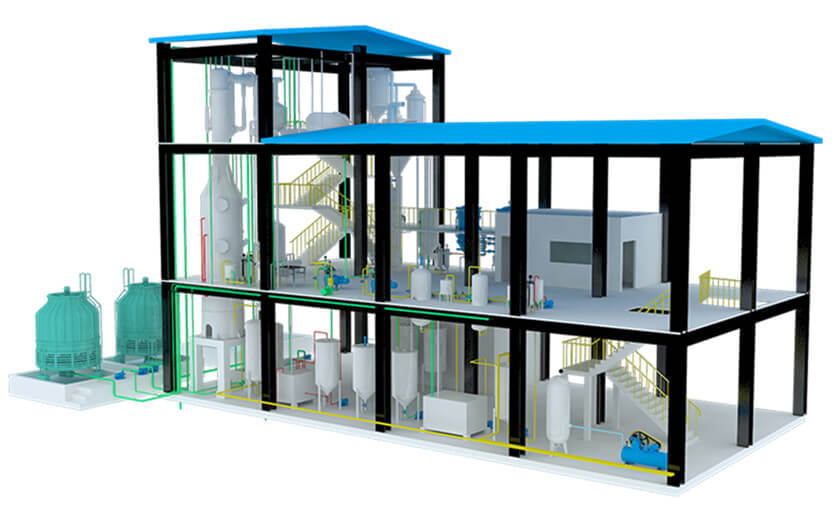
Edible oil pressing process

We have experience and advanced machinery of making soybean. The crude oil extracted from oil press or solvent process, which should be refined for better edible oil. The capacity is from 1t to 300t per day. Normally capacity is less than 10t and directly pressing is better. The oil pressing is as follows:

Oil Pretreatment & pre-pressing Stage


pretreatment pressing process
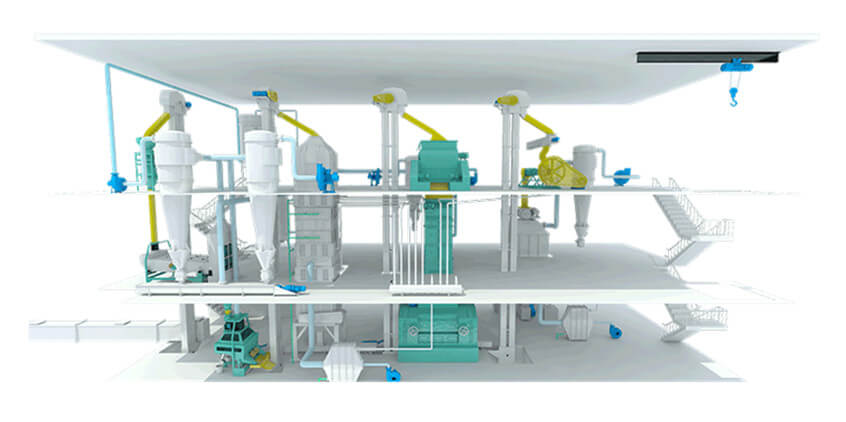
In a first way, oil pressing plant is composed of seeds cleaning & crushing unit, steaming and drying units, pressing unit, conveyor, electrical cabinet box, etc. The oil pressing unit as the main stage makes the flakes in a hardened cage to squeeze oil content out. It’s a complete set of oil press, which is automatically operated to save more labor and cost, including the following machinery and parts: electrical apparatus control, materials feeder, screening machine, steaming & frying machine, huller machine, medium boiler, etc. The by-products from the oil press are cakes and soap residue. The cake could be used as animal food with our pellet machinery, or source material for the other way of extraction. Soap residue is the source material for laundry soap with soap making machinery and washing detergent. In fact, the soybean could directly be extruded, then go to sol-venting, so it could save more investing cost. We suggest the clients use this process better.

Oil Solvent Extraction Stage


oil extraction process

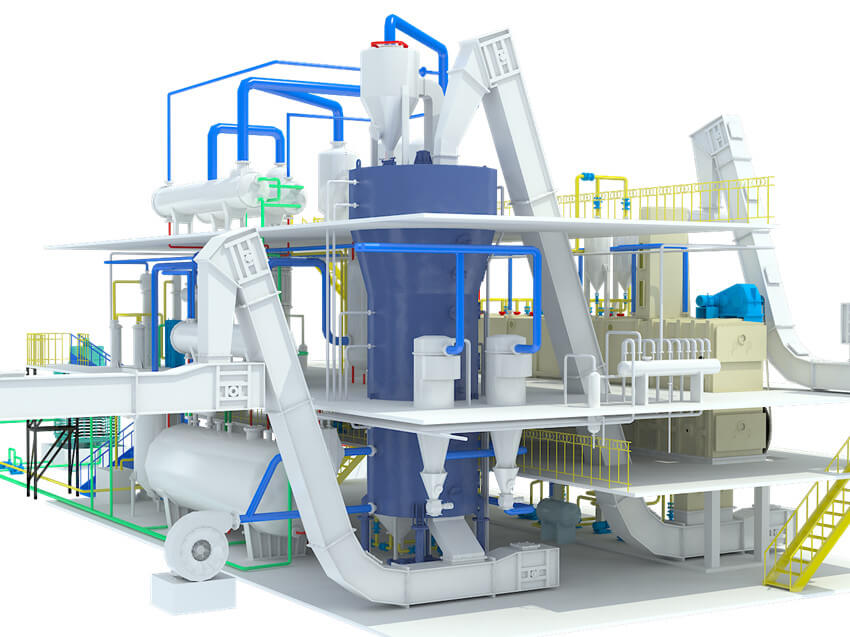
The second way to extract oil for using a chemical solvent to dissolve oil content contained in cake or direct oilseeds, only for lower oilseeds like soybean. Then oil is separated from the solvent by vaporizing solvent out. In configuring the solvent extraction plant, pre-pressing may be involved in which case seeds are lightly pressed, and which leaves about 14% to 18% oil in the pressed cake. Solvent extraction will further process these cakes and leave less than 1% oil in the final cake. This method results in higher yields, more oil; Lower power consumption, lower wear & tear/maintenance and high extract efficiency. Thus it could be used as complement equipment to extract the oil remained in the cake, which yields are extra profits.   Certainly, if the capacity is less than 50 tons, or it is a high rate of output oil, this process could be saved.

Oil Refining Stage


oil refining process
The crude vegetable oil from above mentioned two ways of extracting, oil pressing and/or solvent extraction, will be pumped into oil refinery units to produce cooking oil at various grades. The main equipment of oil refinery is various kinds of vessels and tanks carrying on different tasks with additives. These tasks may include sedimentation/filtering, neutralization (removing free fatty acid), degumming, decolorization (bleaching), deodorization, dewaxing etc. Different combination of steps and the treating degree of each step result in different grade cooking oil and salad oil.
Amisy Machinery is China professional supplier of oil press, oil filter, oil production line, etc. We offer you the latest oil press information and the best after-sale service.

Why Need an Oil Seeds Roaster

Oil pressing can be divided into cold pressing and hot pressing. Some oil seeds such as peanuts and cotton seeds are suitable for hot pressing because of their specialty. So cooking or frying is necessary when pressing these materials. This process can not only ensure high oil yield but make the oil tastier. Our oilseed roaster is used for frying many oil plant seeds such as peanuts, rapeseeds, sunflower, soybean, sesame seeds, chestnut, cottonseed, coconut, etc.


ModelCapacity (kg/hr)
6GT-500100
6GT-600150-200
6GT-700250-300
6GT-800350-400
6GT-900450-500
6GT-1000650-700


Oil Seeds Roaster Features


1. Oilseeds roaster is an electromagnetic heating equipment, thus it won’t create carbon emissions during the whole working procedure.
2. As it is composed of stainless steel, there is also no harm to the raw material, which ensures the purity of the final oil.
3. Oilseeds roaster adopts compound pot (rollers), which prevent heat from spreading out, the thermal efficiency inside reaches above 95% and saves 45% electricity compared with the traditional nut roaster.


AMS Oil Seeds Roaster Advantages 


1. The horizontal design ensures uniform heating.
2. The computer controlling device can adjust the temperature according to different working stage requirements.
3. Fault-indicated system avoids abnormal operation.
4. Advanced lubrication system ensures a smooth operation and thus improves working efficiency.

Fragrant Peanut Oil Press Technology

General peanut oil making process adopts peanut pretreatment, pre-pressing and oil extraction process flows to get peanut oil. This oil making machine contains: Peanut , cleaning, shelling , crushing, flaking , steamed fried , pre- pressed peanut oil , peanut meal extraction , crude oil , refining , refined peanut oil. This kind of pressed peanut oil is featured by pure and virgin, is a favorite edible oil and fat in human daily life. Fragrant peanut oil uses high quality, carefully selected and fresh peanut as raw material. Fragrant peanut oil pressing machine use high temperature frying whole seeds, hybrid mechanical crushing, and chilling filtered pure physical method to produce pure and perfect flavor vegetable oil. Unique production process of peanut flavor enables rice peanut flavor during oil press machine processing, and no oil less in the refining process. In addition, peanut oil pressing machine maximizes the retention of nutrients in peanuts and life of the active ingredient.Fragrant peanut oil press machine technology: high-quality peanuts, cleaning, broiling, smoke cooling, crushing, pressing, cooling, filtration, oil products. Fragrant peanut oil pressing machine process introduction: Fragrant peanut oil production contains two key processes of peanut seed frying and cold filter. Broiling processes generally use drum machines, direct fire, and heat source. Broiling time is 30-40min, Broiling temperatures of more than 180 ℃, requesting fried seeds evenly. Cold frying can remove red peel off peanut seeds quickly. Cooling and filtering processes generally use the cooling tank.Advantages of fragrant peanut oil:Fragrant peanut oil product quality meets national standards. Peanut oil has a special flavor, which is one of the best edible oil on earth. The flavor of peanut oil is light while using ordinary oil extraction and refining process. The use of high temperature steam frying and cold filtration process to produce fragrant peanut oil enables rice aroma and unique flavor of peanut oil. Fragrant peanut oil pressing machine is with recommendation to customers who requiring good flavor peanut oil.

Oil Pretreatment and Oil Pressing Introduction

The establishment of oilseeds pretreatment depends on oilseed varieties, oil processing method, product quality standard, oilseeds utilization and invest on oil machine project etc. Oil pressing is type of simple oil making process, which includes pressing, pre-pressing, high temperature oil pressing, and cold oil pressing etc.

Simple oil pressing process flow adopts one time pressing or twice pressing of oilseeds. It enables special oil taste and flavor during processing, such as sesame oil, fragrant, peanut oil, coconut butter etc. This oil pressing method is also applicable for small-scale oil plant. Usually high pressing oil yield is required during oil pressing project.

Oil pressing processing flow is always combined with oil extraction, which is mostly used in large-scale oil plant or bulk oilseeds processing. There is 70% oil content pressed out from oilseeds in primary press, and residual oil is extracted from oilseed cake by organic solvent.

High temperature oil pressing method is applicable in oilseed prepressing or oilseed pretreatment. Cold oil pressing machine is adopted on condition that pressed cake is used as materials for oil fat production and medical production. The oilseed cake keeps low temperature of less than 70 degrees during cold oil press. It assures invariance of oilseed protein denaturation.

Users can choose different oil press method on basis of characteristic of oilseed.